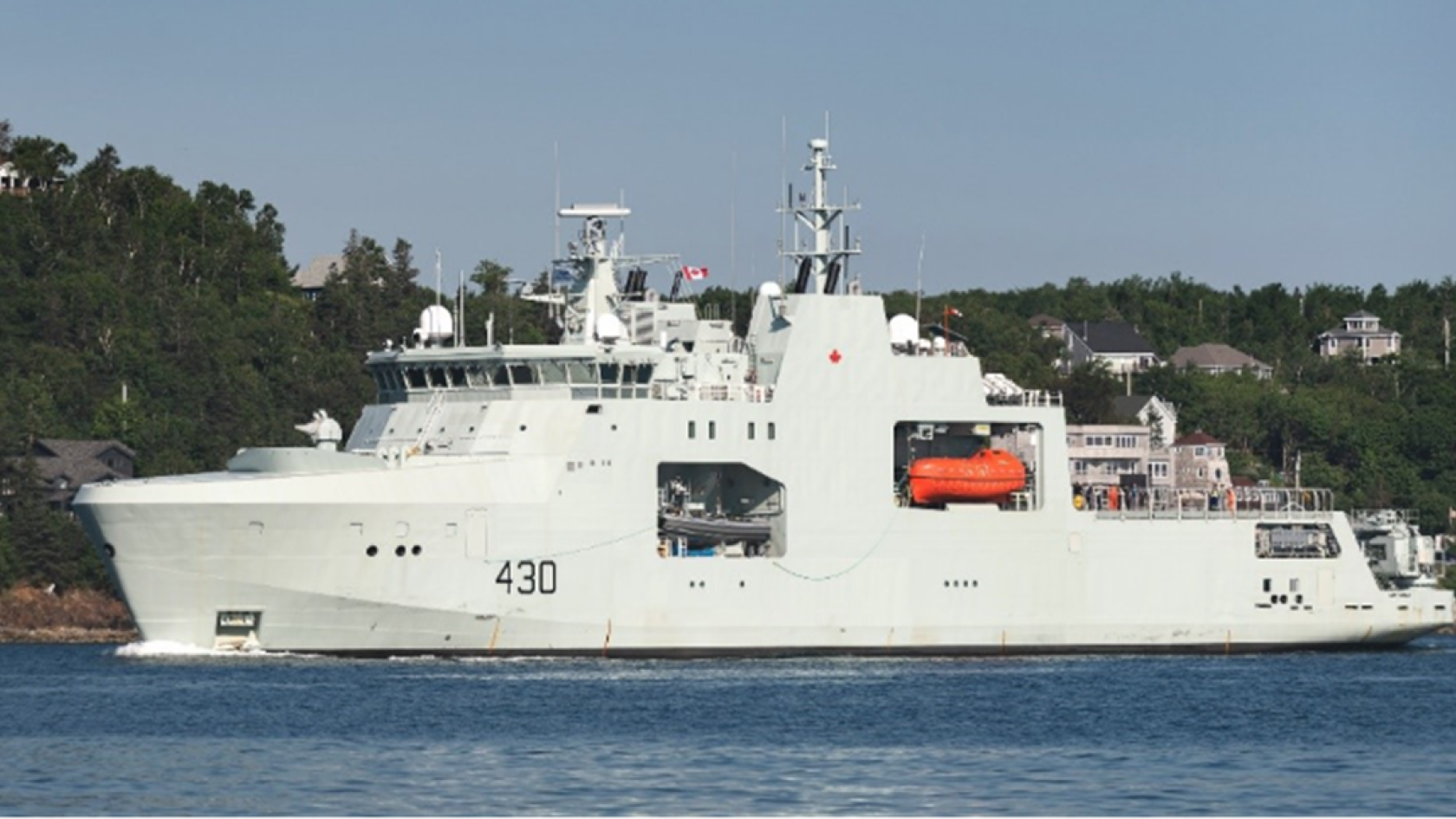

The Royal Canadian Navy is adopting agentic artificial intelligence to streamline maintenance, logistics, and other in-service support operations under a new initiative involving Thales and Cohere.
The effort follows a task order awarded to Thales Canada under the Arctic and Offshore Patrol Vessels and Joint Support Ships In-Service Support (AJISS) contract.
The AI will automate selected support functions, coordinate workflows, and assist with routine administrative tasks while keeping personnel involved in decision-making.
By handling repetitive work, the tech could allow sailors and support staff to focus on more complex maintenance and operational requirements.
It could also give personnel faster access to information and help coordinate support activities, potentially keeping vessels available for missions and improving overall fleet readiness.
“Through our work with Thales, we’re showing how agentic AI can operate securely to support ship readiness, including in disconnected environments, while keeping Royal Canadian Navy personnel firmly in control,” said Ivan Zhang, co-founder of Cohere.