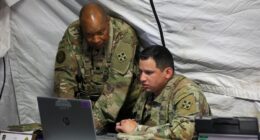
Gallatin AI Raises $50M to Expand Military Logistics AI
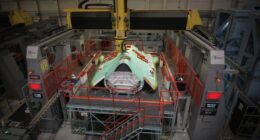
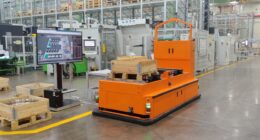
The investment will support engineering growth and product development as the company…
Virtualitics Clears Its Military AI Platform for Secret-Level Ops
The authorizations clear the way for AI-driven analysis of military maintenance,…
Thailand Maps Out 3 Ways to Keep Military AI From Going Too Far
A Thai senator outlined priorities for governing military AI, emphasizing human…
US Army Takes Agentic AI to Europe for Faster Target Validation
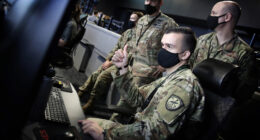
The deployment builds on US Army trials reporting faster intelligence processing and…
Palladyne AI’s BRAIN Named Finalist in US Army Interceptor Competition
The selection highlights growing interest in onboard AI systems for low-cost…
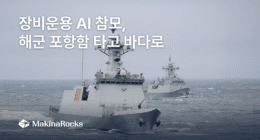
South Korea Deploys AI in ‘Staff Officer’ Role Aboard Pohang-Class Warship
The shipboard system provides equipment-specific guidance through a closed network,…
SPARC AI Tests AI-Powered Positioning for Drones Under GPS Jamming
The field demonstration highlights software-based navigation as a potential solution…
SK Telecom Develops AI That Can Rehearse Battlefield Scenarios
The system combines battlefield data and digital simulations to help commanders assess…
The Latest
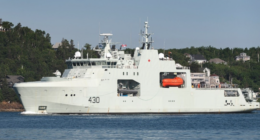
Royal Canadian Navy Turns to Agentic AI for Fleet Support
The initiative will automate selected support tasks while keeping naval personnel involved in decisions and focused on complex maintenance requirements.
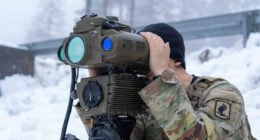
US Army Is Building Mission-Specific AI for Tracking, Targeting
Sightline Intelligence and DEVCOM AvMC are combining military datasets with AI tools to build target-recognition models tailored to operational requirements.
US Military Creates Four-Star Command to Advance AI Warfare
The new four-star command will coordinate efforts to expand AI capabilities as the Pentagon seeks faster adoption of emerging battlefield technologies.
Maris-Tech Unveils AI-Powered Defense Video Processing Platform
The platform brings local AI processing and sensor analysis to demanding defense environments, supporting situational awareness and counter-drone missions.
South Korea to Train Defense AI Talent From the University Level
A new university-industry program will give students hands-on experience with defense data while creating a direct pathway into AI roles at Hanwha Aerospace.
GTT’s New AI Defender Hunts Network Threats Before They Strike
The platform creates a real-time network model and uses embedded AI inference to identify security gaps, investigate unusual activity, and guide remediation.
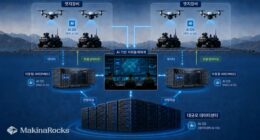
South Korea Takes AI Into Its Battlefield Network for First Time
The demonstration showed how AI services can operate within a closed military network while supporting data retrieval and distributed battlefield applications.