OpenAI CEO Sam Altman told employees in an all-hands meeting that technology companies cannot control how the military deploys artificial intelligence once it enters operational use.
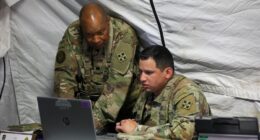
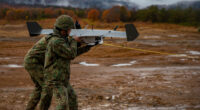
The comments followed a new arrangement between OpenAI and the US Defense Department that will allow the company’s AI models to be deployed across classified military networks, expanding earlier contracts limited to non-classified systems.
“You don’t get to weigh in on that,” Altman said, according to a partial transcript of the meeting reported by CNBC.
Altman told staff that while the Pentagon values OpenAI’s technical expertise, operational decisions ultimately fall under the authority of the military chain of command.
The agreement has also triggered a surge in ChatGPT uninstalls and renewed concerns over military use of commercial AI.
In response, OpenAI said it updated safeguards around the agreement, including prohibitions on surveillance of US persons and reaffirming limits against autonomous weapons control.
The dispute highlights wider tensions across the tech sector, where more than 100 employees at Google urged stricter limits on military uses of AI, warning the systems could enable mass surveillance or autonomous weapons without human oversight.