
Designing hypersonic engines may no longer take months to complete.
US aviation company GE Aerospace has demonstrated how generative artificial intelligence could significantly compress defense propulsion design timelines, helping produce preliminary hypersonic ramjet concepts at much faster speeds.
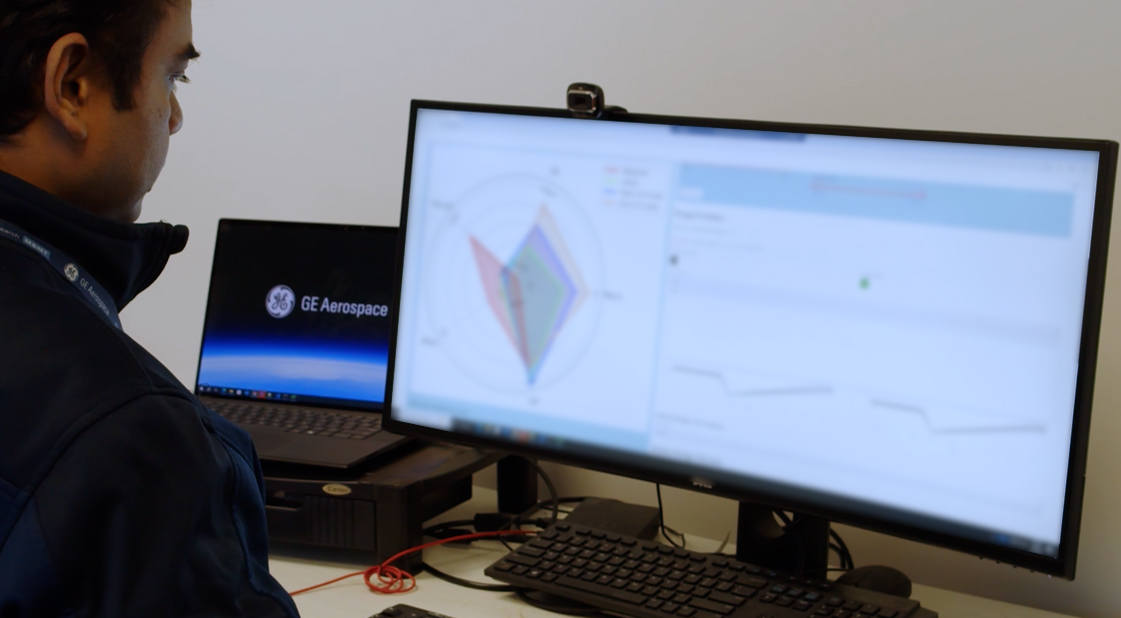
The company developed a tool that uses generative AI to automate early-stage engineering trade studies by rapidly creating and assessing propulsion layouts against mission and performance requirements.
During a test, the system generated preliminary hypersonic dual-mode ramjet designs while simultaneously evaluating multiple flight and operational conditions.
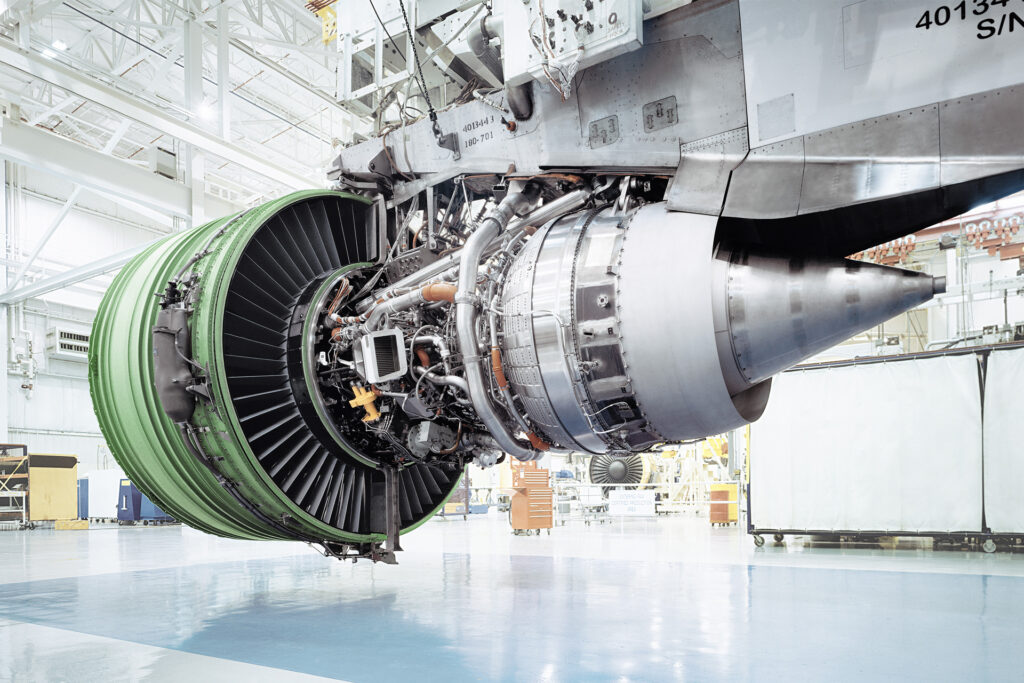
GE Aerospace said the approach enables engineers to compress early-stage propulsion work into seconds by automating iterative concept generation against predefined engineering constraints.
“By using generative AI tools, we can significantly reduce design cycle times, enabling us to be faster to test and ultimately faster to commercialize the best, most proven end product,” said Joe Vinciquerra, general manager and senior executive director at GE Aerospace Research.
The development aligns with the company’s broader hypersonics efforts under its Edison Works division, which is developing propulsion technologies for military missiles, aircraft, targets, and test platforms operating above Mach 5.
It also builds on GE Aerospace’s wider military AI initiatives, following earlier work with Palantir Technologies on agentic AI systems aimed at improving aircraft readiness, maintenance planning, and defense supply chain operations.