French AI startup Mistral has defended the use of artificial intelligence in warfare, rejecting criticism from the Vatican and arguing that Europe must develop its own military AI capabilities in response to rising security threats.
“We’re all for peace, but if you look at our rivals and adversaries in the world, they’re using artificial intelligence,” said Arthur Mensch, chief executive and co-founder of Mistral.
“As long as we have adversaries that are threatening, and they are threatening, we do need to have our own capabilities.”
Mensch’s remarks came in response to Pope Leo XIV’s recent encyclical on artificial intelligence, which called for stricter oversight and said the use of AI in warfare should be subject to rigorous ethical constraints, particularly where lethal decisions are involved.
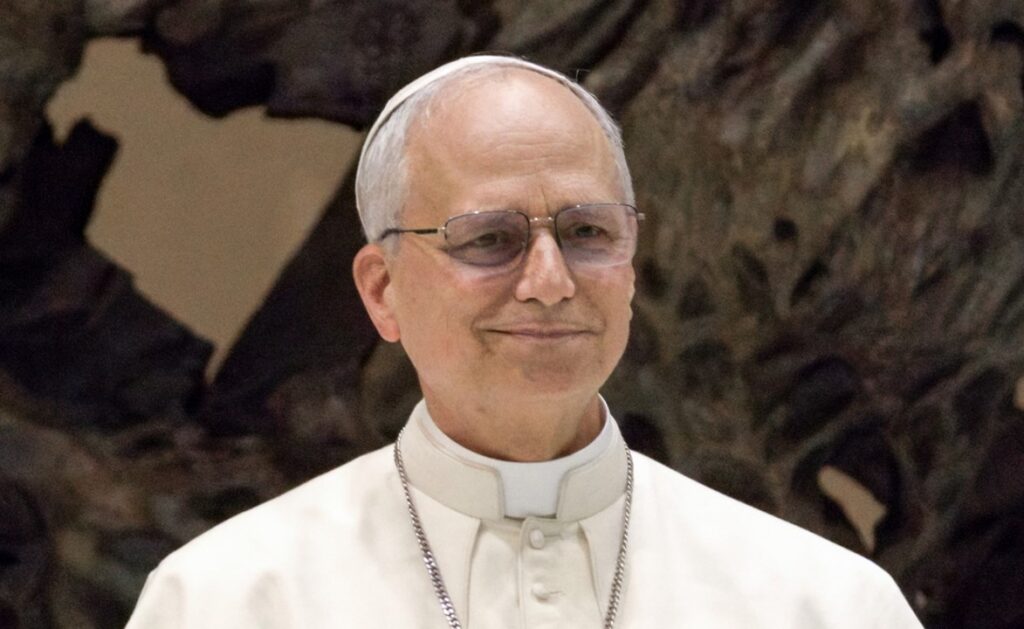
“What is needed is a more active political involvement that is capable of slowing things down when everything is accelerating,” the Pope wrote in his recent encyclical, Magnifica Humanitas, or “Magnificent Humanity.”
The document also warned that AI development is increasingly being driven by powerful private tech companies and called for stronger governance to ensure emerging technologies serve the common good rather than concentrated interests.
Addressing military applications, the pontiff argued that lethal decisions should never be delegated to AI.
“Humanity is slipping into a violent culture of power, where peace no longer appears as a responsibility to be taken on, but as a fragile interval between conflicts,” he wrote.
From Ethical Concerns to AI Expansion
The comments came as Mistral announced plans for a new data center in Les Ulis, France, with 10 megawatts of computing capacity set to come online in the third quarter of 2026.
The facility is part of a broader 4-billion-euro ($4.5 billion) investment program aimed at expanding the company’s AI infrastructure across Europe and supporting sovereign AI development.
Despite calls for tighter restrictions on military AI, Mistral maintains that advanced AI capabilities are necessary to safeguard Europe’s security and strategic autonomy.