The US Department of Defense is exploring the use of artificial intelligence, machine learning, and computer vision to accelerate how troops detect, track, and engage small drones during counter-unmanned aircraft system (C-UAS) operations.
Overseen by the Defense Innovation Unit, the “C-UAS Close-In Kinetic Defeat Enhancement” project centers on aided target recognition, which uses AI to help operators distinguish drones from non-threats such as birds while speeding up targeting decisions.
Program Phases
The first phase focuses on integrating AI into vehicle-mounted weapon systems, including the Common Remotely Operated Weapon Station, to improve drone detection, tracking, and engagement.
A second phase expands the capability to moving ground vehicles and maritime platforms, with systems expected to operate in real-world combat conditions rather than controlled testing environments.
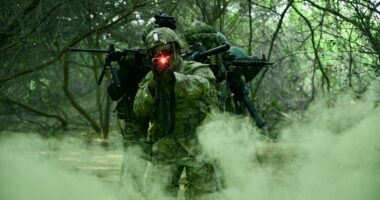
Another phase explores AI-enabled targeting for infantry weapons using advanced fire-control systems and networked sensors to improve engagement accuracy against drones.
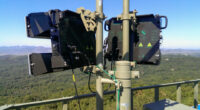
The final phase is for linking sensors, weapons, and fire-control systems through wireless battlefield networks to accelerate targeting data sharing across platforms.
The initiative also maintains a focus on human oversight, with the Pentagon requiring a “human in the loop” for engagement decisions in line with Department of Defense AI ethical principles.