Blighter Surveillance Systems is expanding its AI-enabled radar presence in East Asia through a partnership with South Korean artificial intelligence integrator JoongAng Advanced Materials, focused on counter-drone and critical infrastructure surveillance.
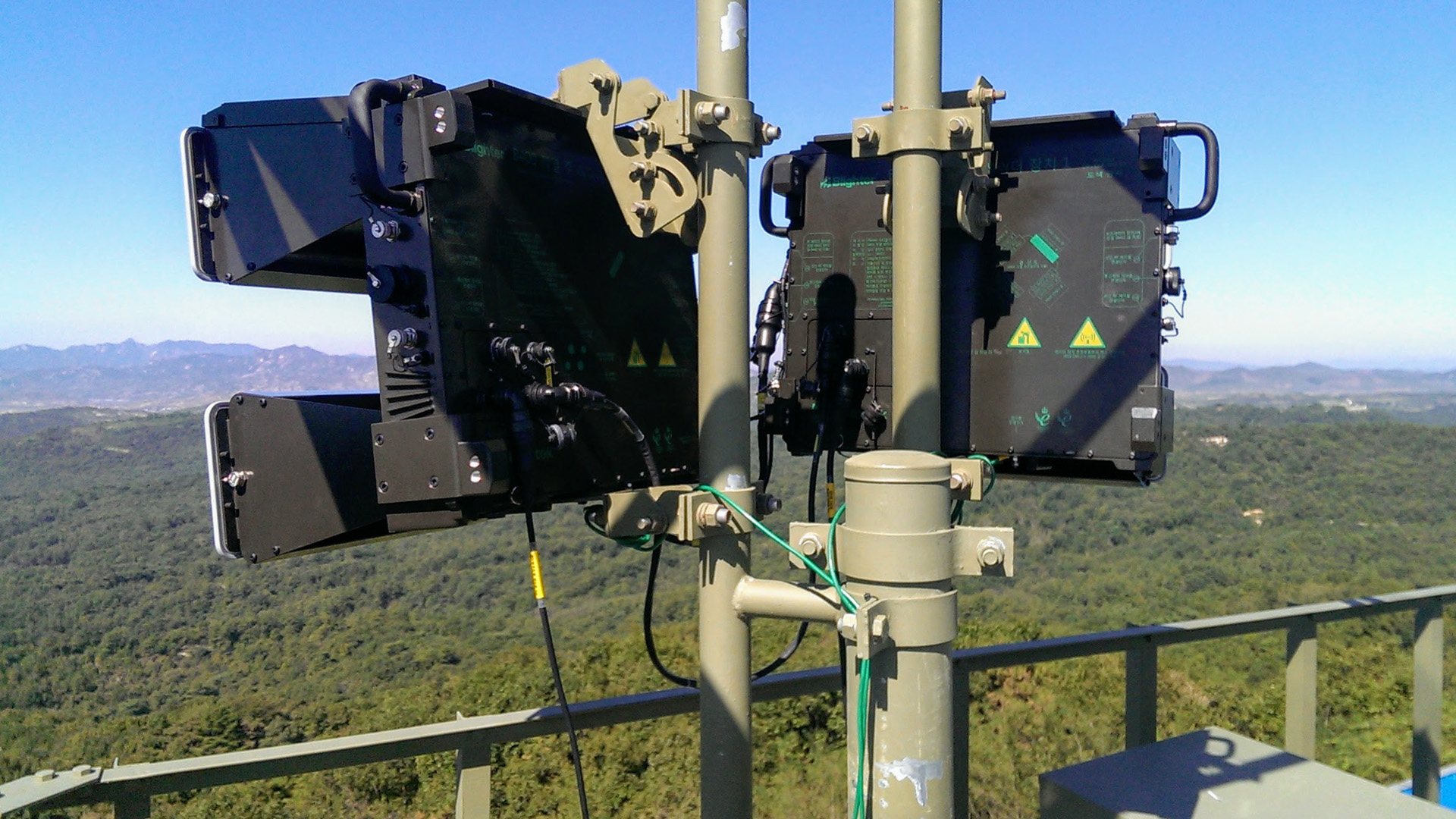
The agreement covers support for existing Blighter radar deployments along the Korean Demilitarized Zone (DMZ) and the integration of JoongAng’s AI analytics to improve target classification, automation, and drone detection.
Blighter said more than 100 of its radars are already in service with the South Korean Army along the 240-kilometer (149-mile) DMZ.
AI-Enhanced Counter-Drone Surveillance
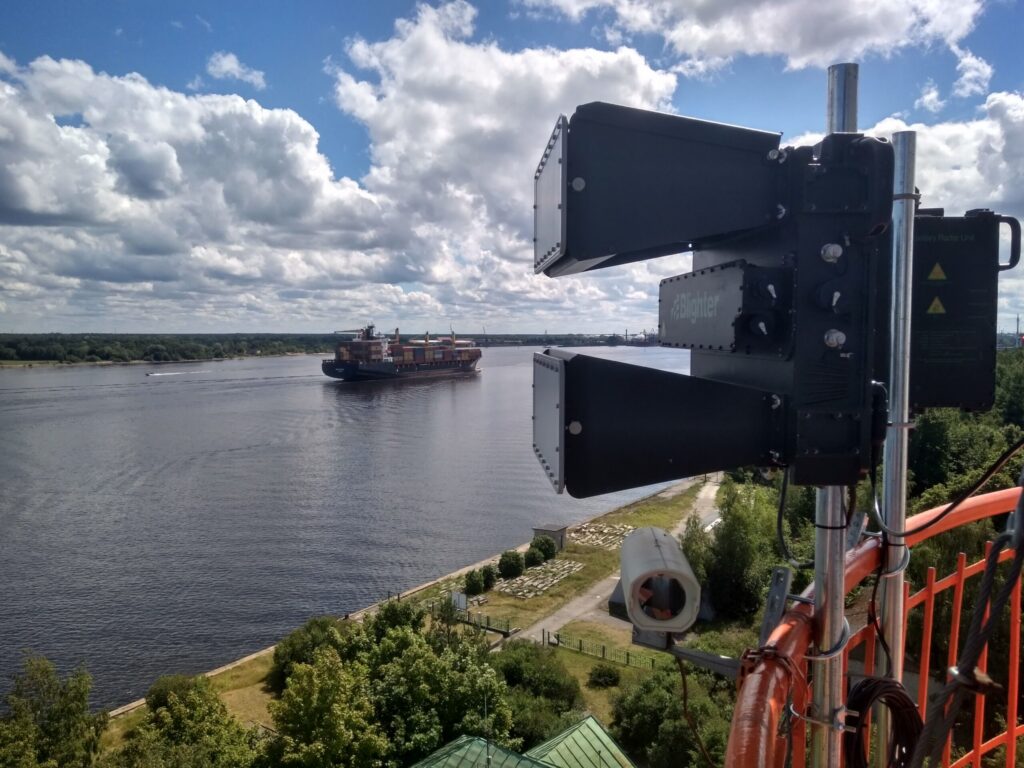
The companies said the collaboration aims to address growing regional demand for counter-unmanned aircraft systems, border monitoring, and protection of ports, coastal energy infrastructure, and other critical sites.
Blighter’s radar systems already use AI-assisted processing to detect and track drones, vehicles, and personnel, but the added AI layer is expected to improve accuracy, reduce operator workload, and speed up threat identification in complex operational environments.
JoongAng’s AI capabilities are also expected to increase automation across the radar ecosystem, helping operators distinguish drones from non-threat objects more efficiently.
The partnership is also poised to expand JoongAng’s presence in the defense and security sector across South Korea and the wider region.
“Our combined surveillance offering will help reduce operator fatigue and improve operational efficiency,” said Ryan Jung, director of JoongAng Advanced Materials.