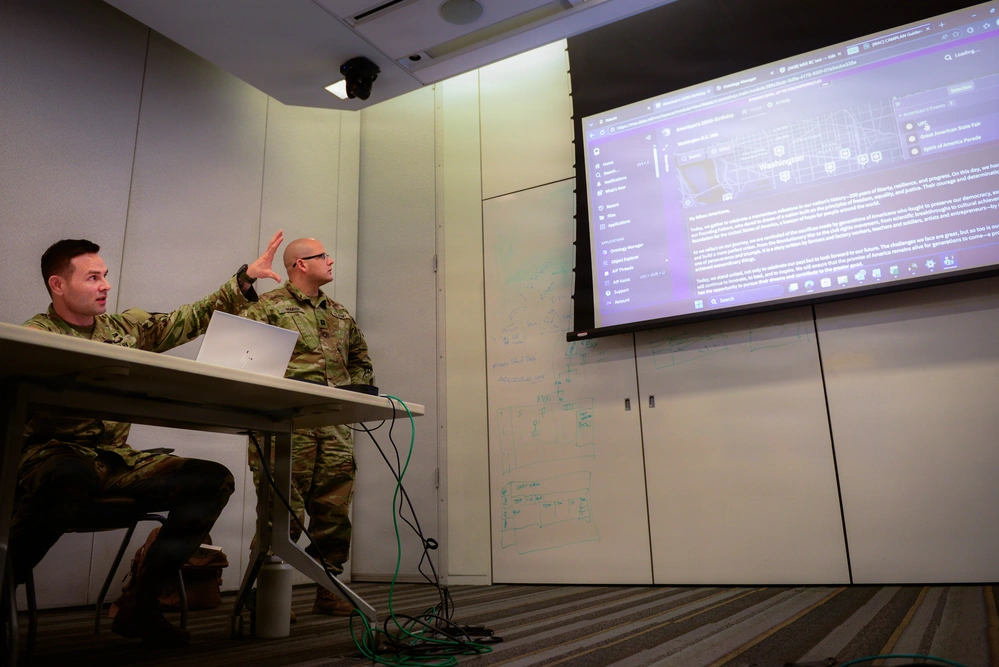
The Pentagon is expanding its use of artificial intelligence in military operations through Palantir’s Maven Smart System, which turns battlefield data into information commanders can use for targeting and other decisions.
The system’s user base has more than doubled this year, rising from about 50,000 personnel in January to over 100,000, according to James Mazol, deputy undersecretary of defense for research and engineering, as quoted by DefenseScoop.
Demand for the AI platform reportedly grew during Operation Epic Fury in Iran, where it supported targeting decisions.
Maven Smart System combines data from different military systems and intelligence sources to give commanders a unified view of the battlefield.
Pentagon Chief Digital and AI Officer Cameron Stanley said Maven helped support strikes against 13,000 targets over 38 days, demonstrating how the platform is being incorporated into combat operations.
The Pentagon is also moving to make Maven a permanent part of its military architecture.
In March, Deputy Defense Secretary Steve Feinberg directed Pentagon and military leaders to transition the system into a formal program of record by the end of the fiscal year. The department has also raised Maven’s contract ceiling to more than $1 billion.
Pentagon Looks to Secure AI Compute
As the military expands its use of AI, access to secure computing capacity is becoming a major challenge.
“One of our biggest challenges that we face is compute. This is a challenge in industry, but it’s a huge challenge for us, and it’s a bit of a different challenge because we need secure compute,” Mazol explained.
The Pentagon is seeking funding for a program called “AI Arsenal” to address that need.
Mazol said the initiative would support sovereign data centers and secure computing capacity in priority theaters, including containerized systems that could operate at the edge for troops in the field.