
Real-world battlefield data from Ukraine is being brought into the development of artificial intelligence for next-generation military systems.
The UK and Ukraine have signed a new defense AI partnership, with UK Prime Minister Andy Burnham and Ukrainian President Volodymyr Zelensky putting pen to paper on a deal that gives Britain access to Ukraine’s Avengers AI Labs while combining Ukrainian battlefield experience with British AI research and technology expertise.
Avengers AI Labs
The UK will become the first international partner to access Avengers AI Labs, a platform built on battlefield data from thousands of daylight and infrared sensors.
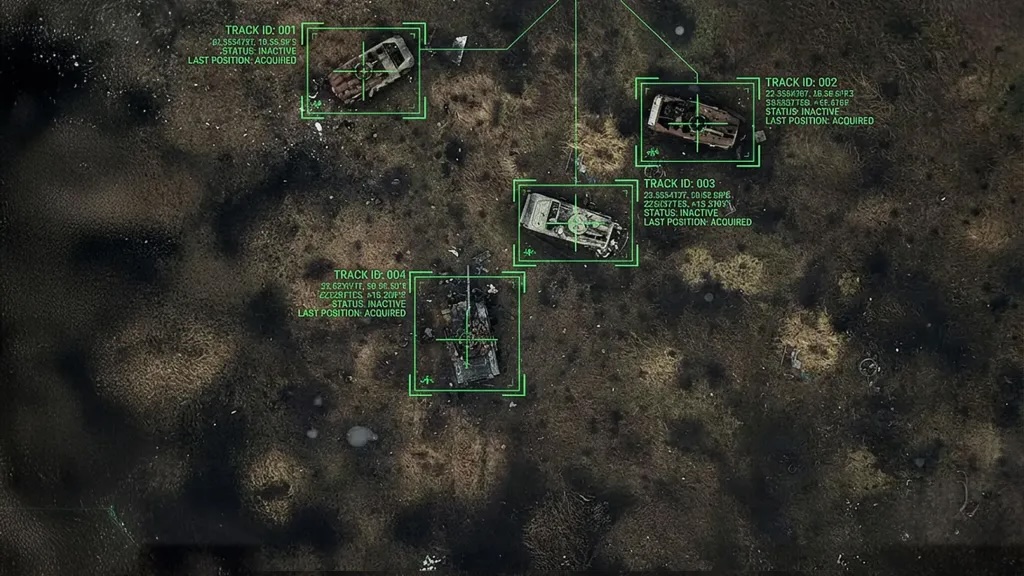
The system captures millions of examples of battlefield activity, including tanks, artillery, air defense systems, infantry, and aerial targets such as Shahed and reconnaissance drones.
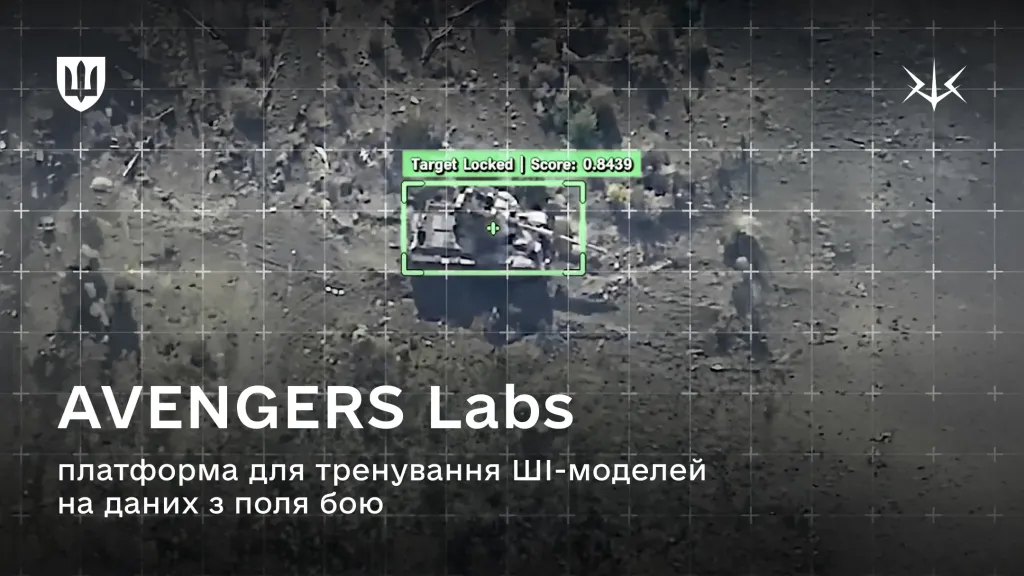
The data trains AI models and gives British researchers, engineers, and technology companies insights into how military systems and targets behave in combat.
“By giving British start-ups, researchers and engineers access to insights from its Avengers AI platform, we are taking that partnership further and helping Britain develop the next generation of defence technology,” said Kanishka Narayan, UK Minister of State (Minister for Artificial Intelligence).
Pillars for Military AI Development
Government, industry, and academia will collaborate on AI models, secure data and computing, operational technology development, autonomy, AI assurance, cybersecurity, and synthetic data.
London and Kyiv will follow a “pilot-first” approach, prioritizing projects already underway and accelerating their path toward deployment.
“By combining Ukrainian battlefield data with British expertise, we will accelerate the development of capabilities that not only strengthen our national security but better protect our critical infrastructure,” Burnham said.
AI Projects Target Sensing, Autonomy
Several pilot projects are already underway, led by UK startups Sintela (Bristol), Mind Foundry (Oxford), and Skyral (London).
One project combines Ukrainian data with UK technology to turn buried fiber-optic cables into AI-enabled sensors, with an initial trial protecting a UK defense site from protestors and hostile actors seeking to gather intelligence.
The technology could later extend to airports, railways, energy facilities, and other critical infrastructure.
A second project will explore low-power AI chips for drones, robotics, and autonomous systems, potentially enabling future platforms to operate longer and respond faster in challenging environments.