As warfare becomes increasingly data-driven, Kyiv is positioning its battlefield experience as a key input for next-generation military AI development in Europe.
In this context, Ukraine and Germany have signed a bilateral memorandum focused on the exchange of battlefield data, aimed at integrating real combat insights into defense-oriented AI platforms.
Ukrainian officials described the framework as a cooperation model that grants partners with structured access to operational data generated during active combat operations.
For Germany, it offers direct insight into how systems perform under high-intensity conditions, while for Ukraine, it supports capability refinement and continued external backing.
Kyiv also linked the agreement to broader efforts to deepen defense-industrial ties with Berlin, including ongoing cooperation on unmanned systems.

Training AI on Real Battlefield Data
At the core of the agreement is the use of Ukrainian combat data to train and refine AI models for military applications.
Key inputs are expected to come from active systems such as Ukraine’s DELTA, which integrates real-time information for command, coordination, and targeting.
This approach is intended to support the development of AI systems based on real operational conditions rather than simulations.
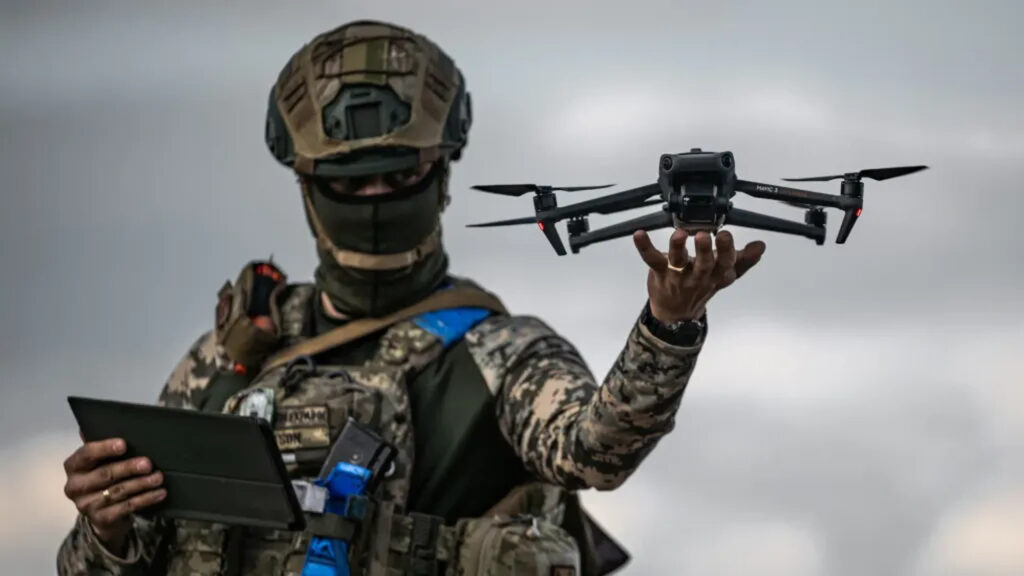
The datasets include large volumes of annotated imagery and mission data collected across thousands of combat flights, offering a level of detail rarely available to developers.
According to United24 Media, the initiative is part of a broader effort to provide controlled access to Ukraine’s AI training environment.
Companies are able to train algorithms without direct exposure to sensitive systems, potentially accelerating development timelines for unmanned platforms and decision-support tools.
Operational Feedback Loop for Systems and Capabilities
Beyond AI training, the memorandum also establishes joint analysis efforts focused on how Western-supplied systems perform in combat.
This includes German platforms such as the PzH 2000 self-propelled howitzer, the RCH 155 artillery system, and the IRIS-T air defense system.
The intent is to create a feedback loop between battlefield use and technology development, enabling adjustments in design, deployment concepts, and software performance based on operational data.