
China has unveiled an AI-powered planning system designed to help coordinate large-scale air strikes, marking another step in the country’s push to integrate artificial intelligence into military operations.
Developed for the People’s Liberation Army Air Force, the platform helps commanders prioritize targets, sequence attack waves, and assign missions across multiple formations, South China Morning Post reported.
Chinese military officials said the software analyzes the entire strike chain, from target selection and firepower allocation to penetration planning and battle damage assessment, while leaving final operational decisions to commanders.
From Development to Operational Use
According to the development team, modeling the complexities of battlefield decision-making proved more difficult than developing the AI algorithms themselves.
The margin for error is extremely small, as even minor flaws in the system’s logic could reportedly affect the outcome of an operation.
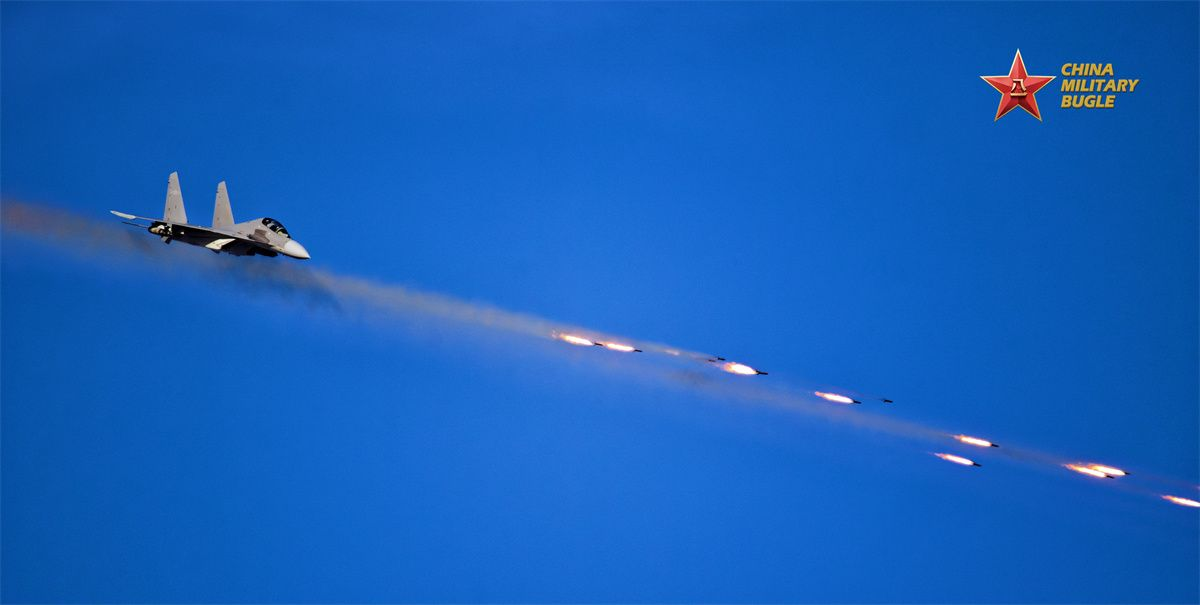
Despite those challenges, the system has already moved into large-scale military exercises. Chinese state media said it has supported air force drills involving more than 100 tactical units, enabling synchronized strikes across multiple formations.
The disclosure aligns with China’s broader push to expand AI use across the People’s Liberation Army. Last week, President Xi Jinping called for broader adoption of unmanned intelligent technologies and networked information systems as part of efforts to build a more intelligent military.