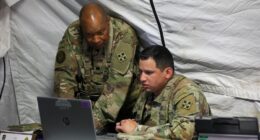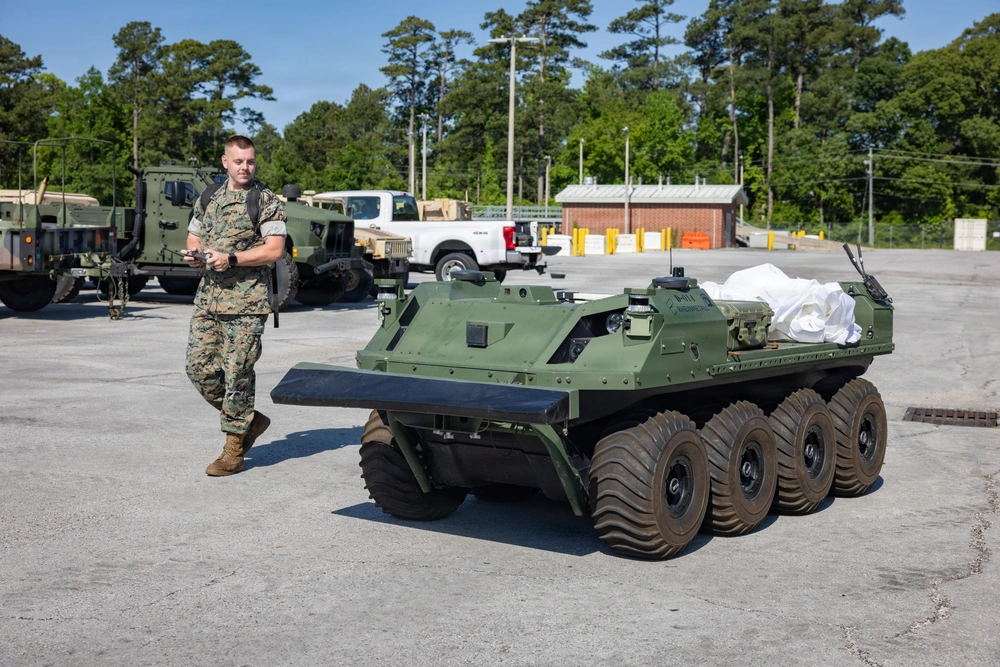

The US Marine Corps is integrating predictive logistics AI directly into battlefield command networks as part of a broader push to make sustainment a core warfighting capability in distributed operations.
The initiative involves Rune Technologies and its TyrOS platform, which has been integrated into Project Dynamis to deliver predictive logistics capabilities within the Marine Air-Ground Task Force command-and-control architecture.
TyrOS is designed to ingest data from across the force to track assets, anticipate supply shortfalls, and maintain visibility over sustainment operations.
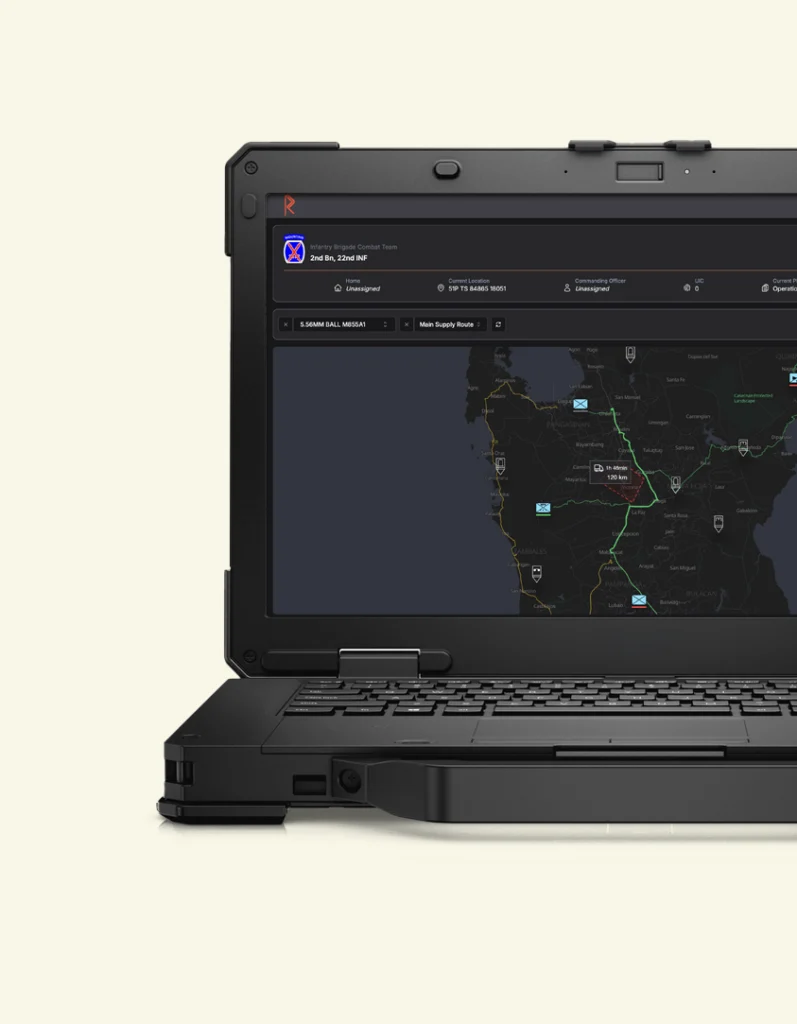
The platform uses an offline-first architecture for tactical edge environments, allowing units to access cached inventory, routing, and vehicle data even when disconnected.
It also prioritizes data transmission across mesh networks during connectivity windows to support denied, degraded, intermittent, or limited communications conditions.
“In contested environments, logistics isn’t just about supply: It’s a warfighting domain that demands integrated tactics, resilient networks, and cutting-edge technology,” said Marine Colonel Arlon Smith, director of Project Dynamis.
Project Dynamis
The US Marine Corps’ Project Dynamis aims to advance the service’s contribution to Combined Joint All-Domain Command and Control in coordination with the Department of the Navy’s Project Overmatch.
The program focuses on integrating battlefield systems, operational data, and AI-enabled edge capabilities into a unified command-and-control architecture designed for contested environments.
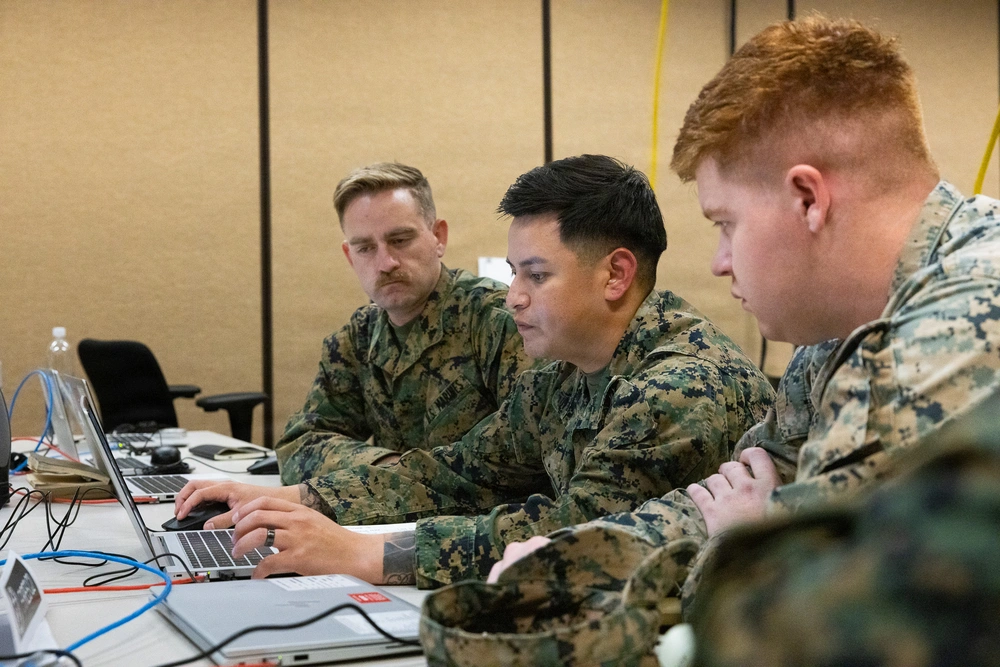
It also emphasizes resilient data sharing and decentralized mesh networking to help forces aggregate and share battlefield data at machine speed.
“As Marines, our ability to aggregate, orchestrate, analyze, and share fused data at machine speeds is a warfighting imperative,” Smith explained. “It is central to our value proposition. Project Dynamis is our bid for success to realize that vision.”